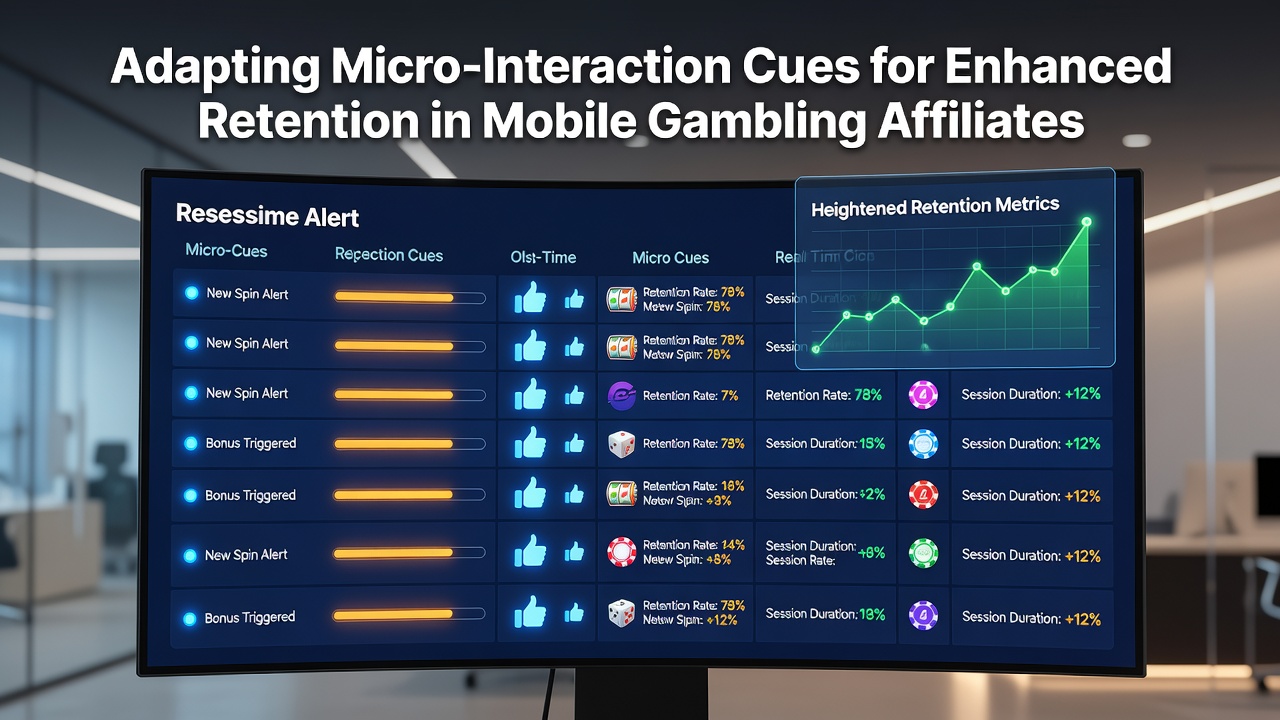
Adapting Micro-Interaction Cues Within Gambling Platform Assessment Grids to Heighten Retention Patterns Across Mobile Affiliate Channels
Assessment grids on gambling affiliate sites serve as structured comparison tools that evaluate platforms across criteria such as payout speed, game variety, and licensing details, while micro-interaction cues add layers of responsive feedback like subtle button animations, progress indicators, and hover states that guide user attention without overwhelming the interface. These elements work together to shape how visitors interact with mobile-optimized affiliate content, particularly when users browse on smartphones during short sessions that often last under two minutes according to aggregated mobile analytics from industry tracking services.
Core Components of Micro-Interaction Design in Assessment Frameworks
Micro-interactions consist of small, purposeful animations and state changes that confirm actions, provide system status, or nudge exploration, and when integrated into assessment grids they transform static tables into dynamic elements that respond instantly to taps or swipes. Observers note that loading spinners paired with percentage counters keep users informed during data refreshes, while color shifts on rating stars deliver immediate visual confirmation of selections made within mobile comparison views. Research indicates these cues reduce bounce rates by maintaining perceived responsiveness, especially on affiliate channels where traffic arrives from social media or search results and users expect fluid experiences similar to native apps.
Mobile Affiliate Channel Dynamics and Retention Challenges
Affiliate channels targeting mobile audiences face distinct hurdles because session lengths vary widely depending on network conditions and device capabilities, with many visitors accessing lists while commuting or during breaks. Data from mobile performance monitors shows that grids lacking responsive feedback often see users abandon comparisons after viewing only the first two rows, whereas those incorporating timed micro-animations sustain engagement through the full set of options. Platforms adapting these cues report improved scroll depth metrics across regions, as the subtle prompts encourage continued interaction rather than quick exits triggered by perceived lag or unresponsive elements.
Implementation Approaches for Enhanced User Pathways
Developers integrate micro-interaction cues by layering lightweight JavaScript libraries onto existing grid structures, ensuring animations trigger on specific user actions such as filtering results by deposit minimums or expanding detailed rows for bonus terms. One approach involves progressive disclosure where tapping a platform name expands a panel with a smooth height transition accompanied by a brief checkmark animation confirming the selection, while another uses swipe gestures on mobile carousels to reorder grids with momentum-based deceleration that feels natural on touchscreens. These adaptations align with patterns observed in high-performing affiliate deployments where retention improves when cues match the speed of modern 5G connections prevalent in many markets by mid-2026.
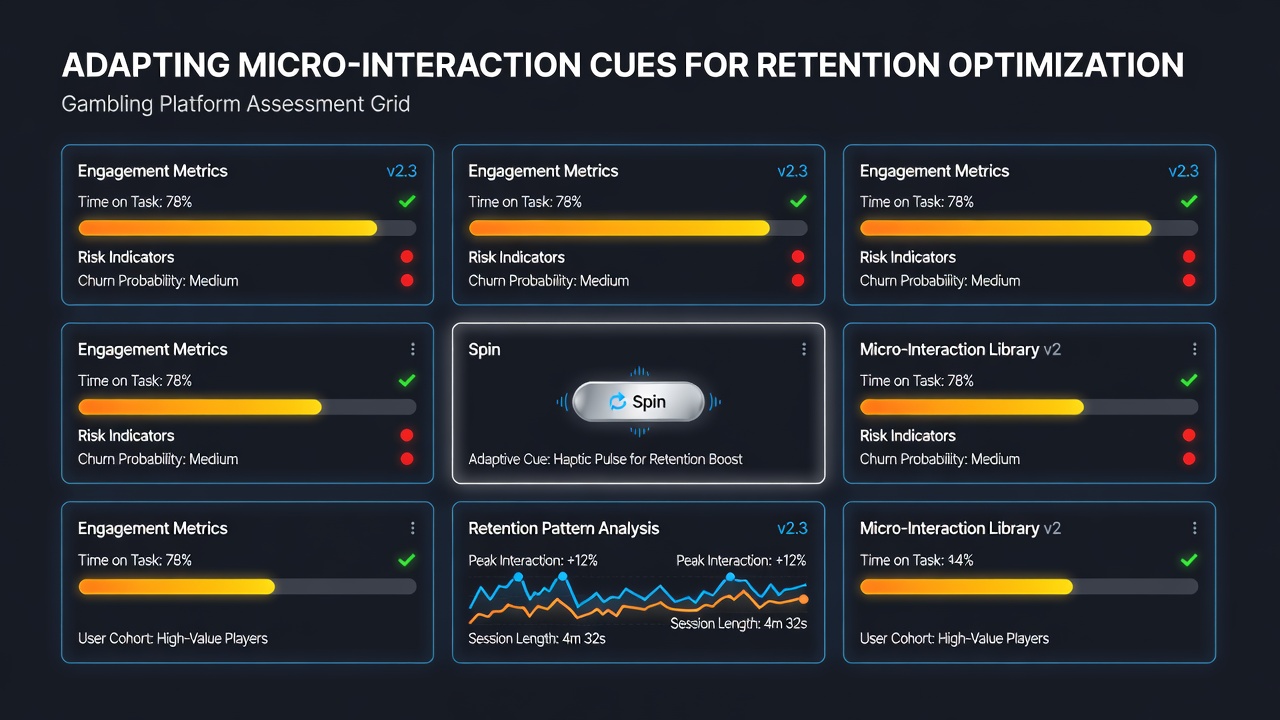
Testing protocols typically involve A/B variations that isolate individual cues, measuring metrics such as time spent per row and return visit frequency over multi-week periods. Figures reveal that grids featuring both haptic feedback on supported devices and visual pulse effects on call-to-action buttons achieve higher completion rates for sign-up funnels originating from affiliate referrals. Experts have observed that combining these with contextual tooltips appearing on prolonged taps helps clarify complex terms like wagering requirements without forcing users to leave the comparison view.
Measurement Frameworks and Performance Indicators
Retention tracking relies on event-based analytics that log micro-interaction triggers alongside downstream actions such as clicking through to operator sites or saving personalized shortlists. Studies from academic sources on human-computer interaction in mobile environments demonstrate that consistent cue timing, typically under 150 milliseconds, correlates with sustained attention spans during grid navigation. In June 2026 several regional operators began publishing aggregated anonymized datasets showing uplift in session duration after rolling out refined interaction patterns across their affiliate partner grids, highlighting measurable differences between adapted and legacy implementations.
Cross-channel consistency matters because users often transition between desktop research and mobile decision-making, so grids must preserve cue behavior across breakpoints while optimizing touch targets for smaller screens. Industry reports from organizations focused on digital marketing standards emphasize that accessibility considerations, including reduced motion preferences and high-contrast feedback states, prevent exclusion of segments that might otherwise disengage from overly animated interfaces.
Conclusion
Adapting micro-interaction cues within assessment grids offers affiliate channels a practical method to support longer engagement sequences on mobile devices through targeted responsive elements that align with user expectations for immediate feedback. Continued refinement based on performance data collected across diverse traffic sources positions these techniques as standard components in evolving gambling resource platforms.