Capitalizing on Real-Time Market Data Feeds to Refresh Dynamic Rankings in Gambling Resource Compilations
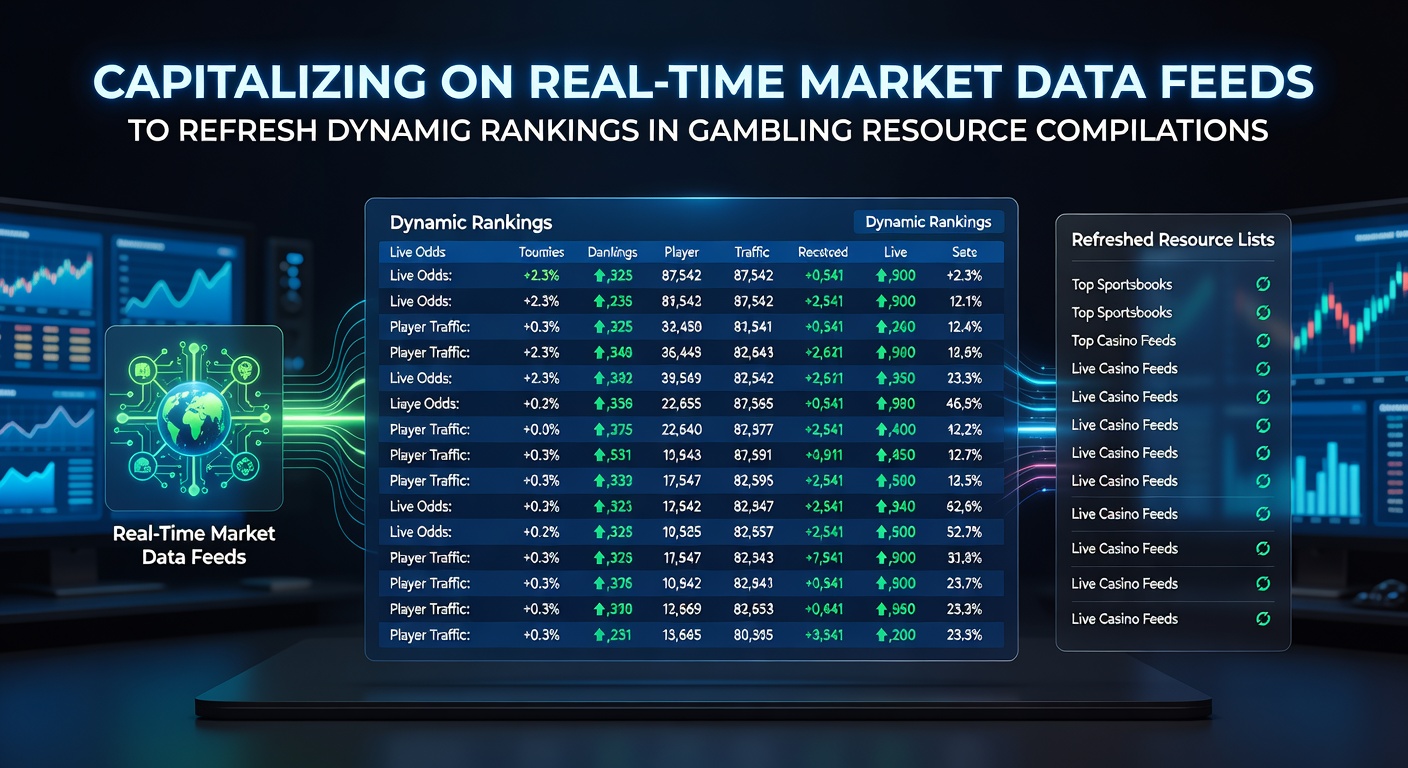
Operators managing gambling resource compilations have turned to real-time market data feeds as a core mechanism for maintaining accurate and responsive rankings across casino lists and comparison tools. These feeds pull continuous streams of information on wagering volumes, player engagement metrics, and odds fluctuations directly from licensed operators and data aggregators, allowing rankings to shift without manual intervention while platforms update their displays in response to live conditions.
Integration typically begins with application programming interfaces that connect external data providers to internal ranking algorithms, and observers note how this setup processes incoming variables such as average bet sizes and session durations to recalculate positions on the fly. Researchers have documented cases where platforms reduced ranking lag from several hours down to minutes after adopting structured data pipelines, particularly in markets where regulatory bodies require transparent performance reporting.
Data Sources and Feed Architecture
Market data feeds originate from multiple points including state gaming control systems, private analytics firms, and operator backends, while platforms aggregate inputs through secure channels that comply with jurisdictional standards. In regions such as New Jersey and Pennsylvania, for instance, public reporting portals supply verified transaction summaries that feed directly into ranking models, and similar arrangements exist through Australian state regulators that publish periodic activity summaries for iGaming operators.
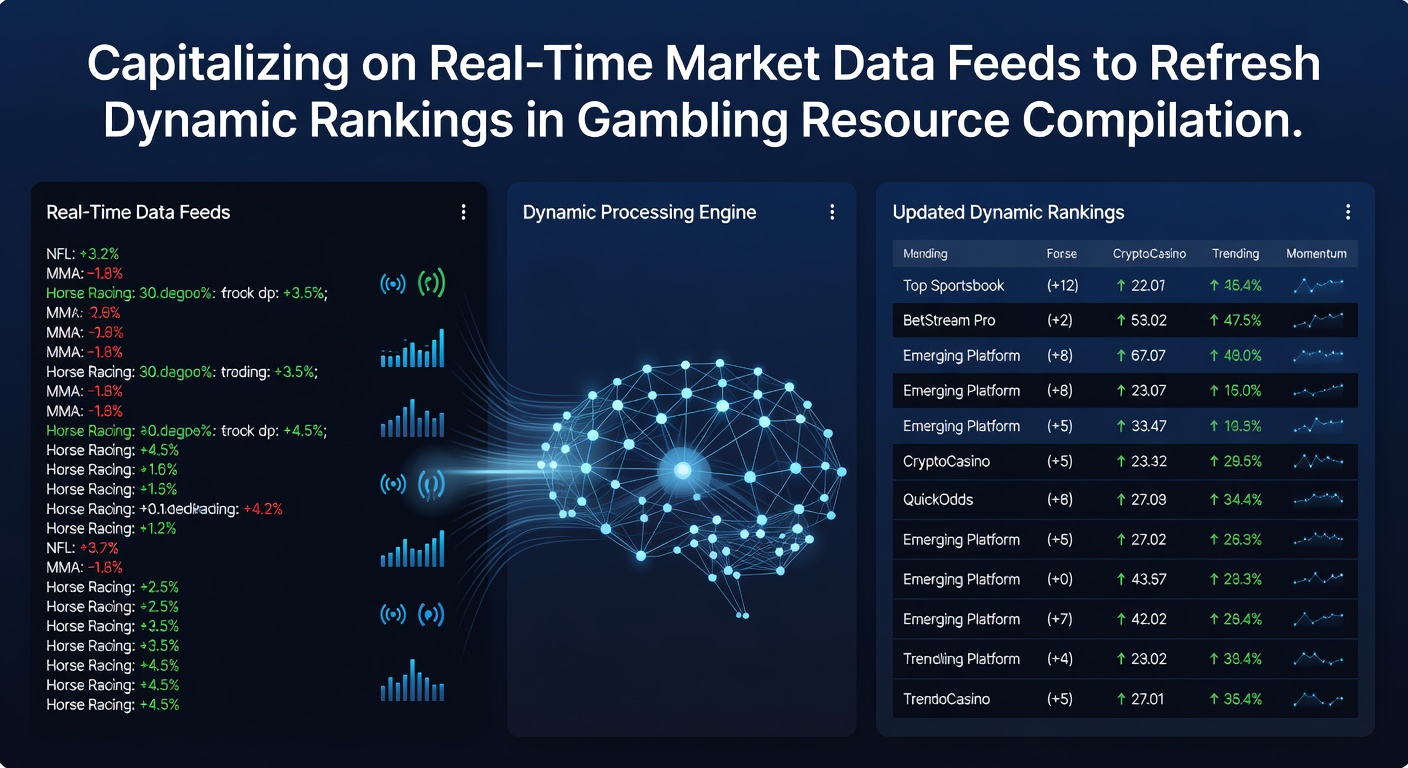
Architectural designs often incorporate message queues and event-driven processing layers to handle high-velocity data without bottlenecks, and those who maintain these systems emphasize the importance of timestamp synchronization across sources to prevent ranking inconsistencies. When a sudden spike occurs in a particular game's participation rate, the feed triggers an immediate recalculation that repositions the associated listing higher or lower depending on predefined weighting factors.
Dynamic Ranking Mechanisms in Practice
Dynamic rankings rely on weighted algorithms that balance historical performance data against live signals, and experts have observed that successful implementations assign higher priority to metrics such as real-time retention rates and cross-device usage patterns. Platforms refresh these rankings at intervals ranging from every few seconds during peak hours to every few minutes during quieter periods, which keeps resource compilations aligned with current market activity rather than static snapshots.
One documented approach involves layering machine learning models atop the incoming feeds so that anomaly detection flags unusual data points before they influence final positions, and this method has helped compilation sites maintain credibility when regulatory scrutiny increases. By May 2026 several major platforms had expanded their feed contracts to include predictive indicators derived from early-session behavior, enabling proactive adjustments ahead of broader market shifts.
Technical and Regulatory Considerations
Compliance teams must verify that real-time updates respect data residency rules and privacy frameworks in each operating jurisdiction, while technical teams focus on latency reduction through edge computing nodes placed near major data centers. American Gaming Association research has tracked how increased feed frequency correlates with higher user trust scores in comparison tools across multiple U.S. states.
Security protocols include encrypted transmission and regular third-party audits of data integrity, and platforms that neglect these steps have experienced ranking volatility traceable to corrupted input streams. Observers point out that successful operators maintain redundant feed sources so that a single provider outage does not freeze the entire ranking engine.
Implementation Outcomes Across Markets
Compilation sites that adopted real-time feeds reported measurable improvements in user session length and return visits, according to internal analytics shared in industry forums. In European markets governed by frameworks similar to those of the Malta Gaming Authority, operators have integrated cross-border data streams that allow rankings to reflect both local and regional performance indicators simultaneously.
Case examples include platforms that adjusted their top-list order within thirty seconds of a major sports event conclusion, capturing heightened interest in related casino offerings before competitors could respond manually. Such responsiveness has become a baseline expectation among affiliate networks that rely on fresh data to drive traffic to their partner listings.
Conclusion
Real-time market data feeds have become an established component of ranking maintenance for gambling resource compilations, delivering measurable accuracy gains through continuous input processing and automated recalculation. Platforms that combine verified regulatory data sources with robust technical infrastructure continue to demonstrate how live updates sustain relevance in competitive search environments, and ongoing developments through 2026 indicate further refinement of these systems as data availability expands.