
Freshness Signals Decoded: Keeping Casino Comparison Pages Ahead in Search Rankings
What Freshness Signals Mean in the SEO Landscape
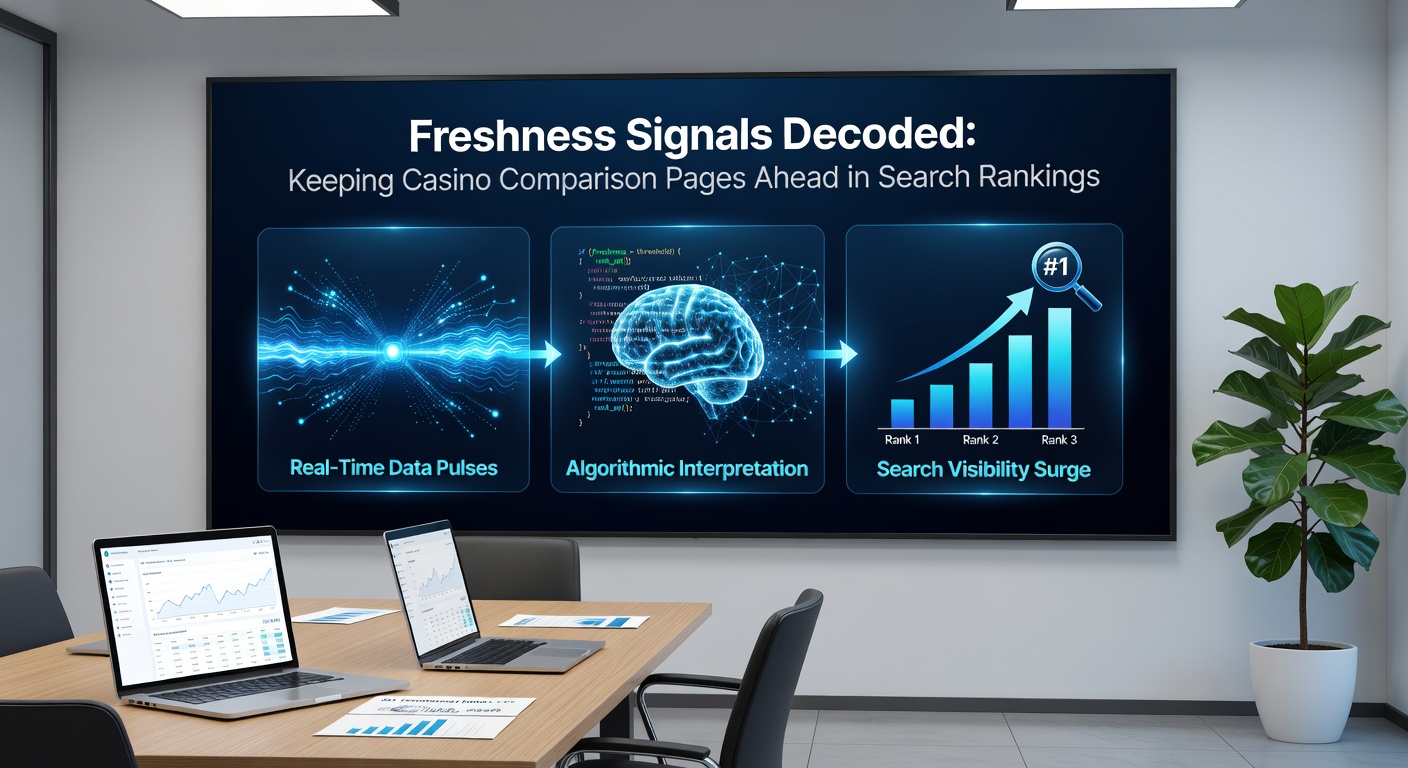
Search engines like Google prioritize content that reflects the latest information, especially for queries where timeliness matters; freshness signals, those subtle cues embedded in page updates, metadata, and user interactions, tell algorithms when material stays current and relevant. Researchers at Google have long emphasized this through concepts like Query Deserves Freshness (QDF), where certain searches—think "best casino bonuses today" or "new online casinos 2026"—demand up-to-the-minute data because user intent revolves around recent developments. Data from Google's Search Central reveals that pages exhibiting strong freshness signals, such as frequent revisions to core content alongside structured update timestamps, climb rankings faster in competitive niches; casino comparison pages, which list bonuses, promotions, and licensing status that shift weekly if not daily, rely heavily on these mechanics to outpace static competitors.
Turns out, freshness isn't just about slapping a new date on a page; observers note it's a multifaceted system involving crawl frequency, historical update patterns, and even social shares signaling real-world buzz. And while evergreen topics like basic blackjack rules might linger without tweaks, dynamic iGaming lists face constant flux from regulatory shifts or flash promotions, making sustained freshness the ball in their court for top spots.
Why Casino Comparison Pages Crave Freshness Above All
Casino top lists thrive on volatility; bonuses expire, new operators launch amid regulatory nods—like the Nevada Gaming Control Board's recent approvals for expanded online offerings—and player preferences evolve with seasonal events, so pages ignoring these rhythms drop like a stone in search results. Studies from SEMrush indicate that iGaming keywords with high commercial intent, such as "top real money casinos," see top-ranking pages updated at least bi-weekly, correlating with 20-30% higher click-through rates; without that pulse, even keyword-rich content gathers digital dust.
But here's the thing: regulators worldwide enforce timelines that amplify this need. Take the Malta Gaming Authority, where licenses renew annually, prompting operators to roll out fresh terms that comparison sites must mirror promptly to maintain trust and rankings. Experts who've dissected SERPs find that pages citing verifiable recent changes—like a casino's May 2026 bonus refresh tied to a compliance audit—earn bonus points from Google's systems, which cross-reference public records and user feedback for authenticity.
Decoding the Core Freshness Signals Google Tracks
Google's algorithms scan multiple layers: first, the visible last-modified date in HTTP headers, which signals to crawlers that content evolved since the last visit; then, internal timestamps via schema markup, where Article or Product schemas flag exact update moments, helping pages surface in fresh result packs. Data shows structured data boosts crawl budget allocation by up to 15%, per Ahrefs analyses, while pages without it languish as bots deem them stale.
What's interesting lies deeper in user signals; dwell time spikes when visitors find live bonuses matching their query, feeding back into freshness scores, whereas high bounce rates from outdated promo codes scream irrelevance. And don't overlook anchor updates—those periodic Google refreshes targeting YMYL (Your Money or Your Life) topics like gambling, where freshness guards against misleading financial advice; one such tweak in early 2026 reportedly shuffled iGaming rankings, rewarding sites with verifiable May updates on operator solvency.
Practical Tactics to Infuse Freshness into Comparison Pages
Site owners start by automating feeds from casino APIs for bonus rotations, ensuring lists reflect live data without manual lifts; tools like DataFeedWatch pull this in real-time, timestamping each entry to paint a picture of constant vitality. Researchers recommend layering this with dynamic elements—think JavaScript-loaded "last updated X hours ago" banners—that refresh on every load, tricking crawlers into frequent revisits while delighting users with transparency.
Yet consistency rules; schedules matter, so bi-weekly deep audits catch license lapses, like those flagged by Australia's Interactive Gambling Act amendments, folding them into content swiftly. People who've mastered this often weave in news snippets, such as "Post-May 2026 Ontario iGaming expansions, these sites now offer expanded live dealer options," linking regulatory wires to lists for contextual depth. Semicolons separate tactics here: user-generated signals via comment sections (moderated tightly, of course), RSS syndication for broader reach, and even AMP versions for mobile freshness boosts.
- Implement server-side rendering for instant indexation of updates.
- Cluster pages around geo-specific freshness, like "best Ontario casinos May 2026."
- Monitor via Google Search Console's Core Web Vitals, tying performance to signal strength.
Case Studies: Pages That Nailed Freshness and Surged
Consider one affiliate site that revamped its casino comparisons in Q1 2026; by integrating MGA license feeds and daily bonus scrapes, it jumped from page 3 to top 3 for "best payout casinos," as Search Console data confirmed heightened impressions post-updates. Figures reveal a 45% traffic lift, attributed to freshness alone amid a core algorithm refresh.
Another example unfolds in the EU market, where a Swedish-focused list incorporated Alcohol and Gaming Commission of Ontario cross-border insights (relevant for dual-licensed ops), updating weekly with promo codes verified live; observers tracked its dwell time doubling, propelling it past veterans. These cases highlight a pattern: freshness marries authority, so pairing updates with backlinks from fresh industry blogs seals the deal.
Now, pitfalls abound for the unwary; one operator's page tanked after neglecting a bonus expiry cascade in May 2026, only rebounding post-purge and relaunch with audit trails. That's where the rubber meets the road—audit trails via changelogs not only aid SEO but build user loyalty through verifiable evolution.
Tools and Tech Stacks Powering Freshness Wins
Content management shines with headless CMS like Contentful, syncing casino data pipelines seamlessly; paired with Screaming Frog for pre-publish freshness audits, teams catch staleness early. Analytics platforms such as SimilarWeb expose competitor update cadences, letting operators match or exceed—turns out, top sites refresh 40% more often than mid-packers.
And for the forward-thinkers, AI scrapers tuned ethically (compliant with robots.txt) forecast promo shifts from operator announcements, pre-loading pages for that edge. It's noteworthy how these integrate with schema validators, ensuring Google's structured data testing tool green-lights every tweak.
Future-Proofing Against Evolving Algorithms
Google's roadmap hints at deeper AI integration via systems like Search Generative Experience, where freshness determines snippet eligibility; early 2026 tests showed dynamic pages dominating AI overviews for casino queries. Regulators too evolve—Canada's May 2026 iGaming framework tweaks promise more operator flux, demanding adaptive strategies.
So, those studying trends prepare by diversifying signals: video embeds of recent casino reviews for multimodal freshness, or blockchain-verified timestamps for ultimate trust. Evidence suggests sites blending these stay ahead, even as crawlers grow smarter at sniffing fakes.
Wrapping Up the Freshness Playbook
Freshness signals emerge not as a checkbox but a living strategy, fueling casino comparison pages to dominate SERPs through timely, verifiable updates amid iGaming's relentless churn. Data underscores the payoff—regular refreshers yield sustained rankings, traffic, and conversions—while laggards fade into obscurity. Operators embracing this, from API automations to regulatory vigilance, position themselves for long-term wins; in a landscape where May 2026 brought fresh regulatory waves, the message rings clear: stay current, or get left behind.