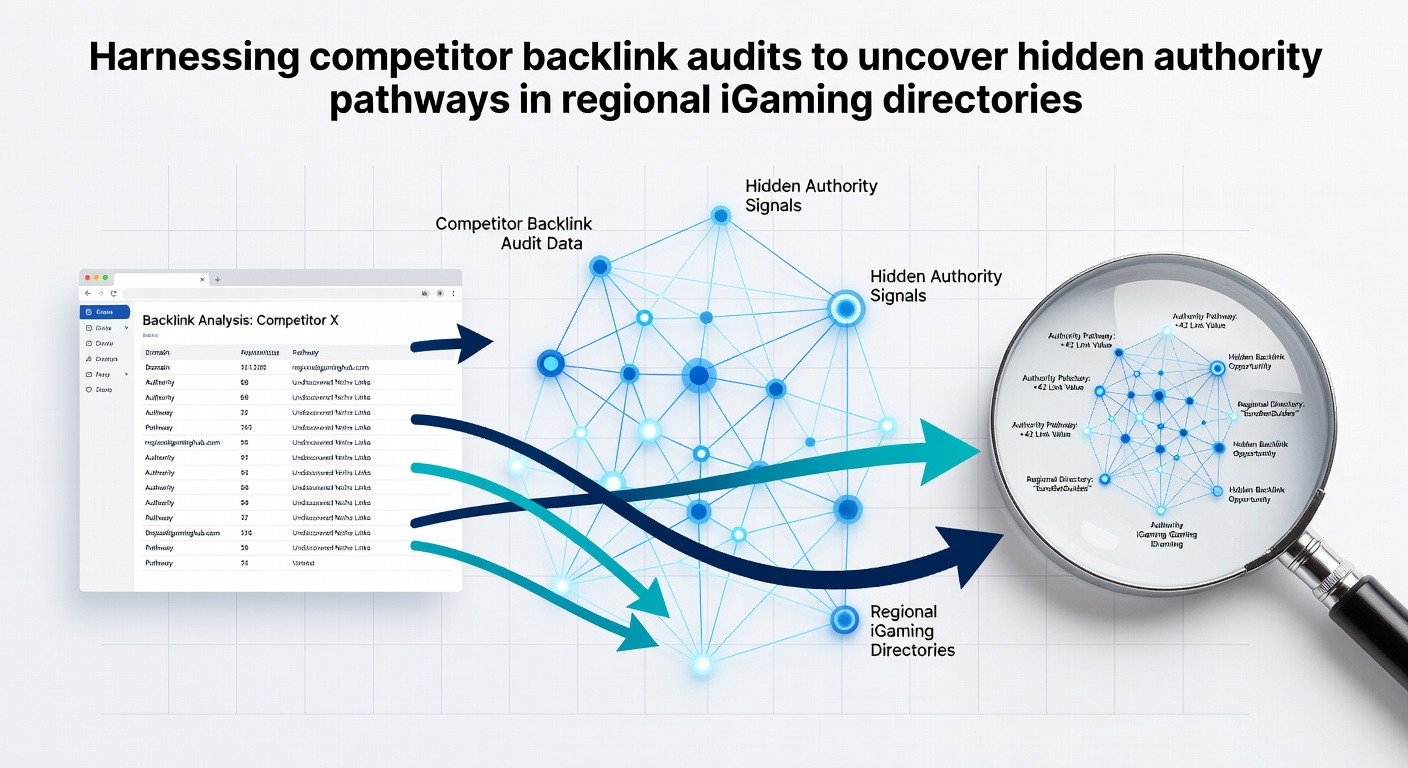
Harnessing Competitor Backlink Audits to Uncover Hidden Authority Pathways in Regional iGaming Directories
Regional iGaming directories function as key nodes in affiliate ecosystems where backlink profiles from established competitors reveal structured opportunities for authority building and data from these sources shows consistent patterns across multiple jurisdictions.
Mapping Competitor Link Structures in Practice
Analysts conduct systematic audits by extracting full backlink inventories from top-ranking affiliate sites then categorize those links according to directory type, regional focus, and domain metrics while cross-referencing with public records from licensing bodies reveals directories that accept new submissions under specific compliance conditions.
Tools aggregate referring domains, anchor text distributions, and link ages so patterns emerge where certain regional directories consistently contribute to higher authority scores for sites targeting localized player segments and these patterns hold across data sets collected through 2025 into May 2026.
Regional Directory Characteristics and Link Value
Directories tied to specific regulatory frameworks often carry elevated trust signals because they appear on official compliance lists maintained by bodies such as the Nevada Gaming Control Board and similar agencies in other jurisdictions, and audits frequently identify these as under-linked compared to national aggregator sites.
Observers note that directories serving Canadian provinces display distinct acceptance criteria tied to provincial licensing which creates pathways when competitors have secured placements through direct outreach rather than automated submissions.
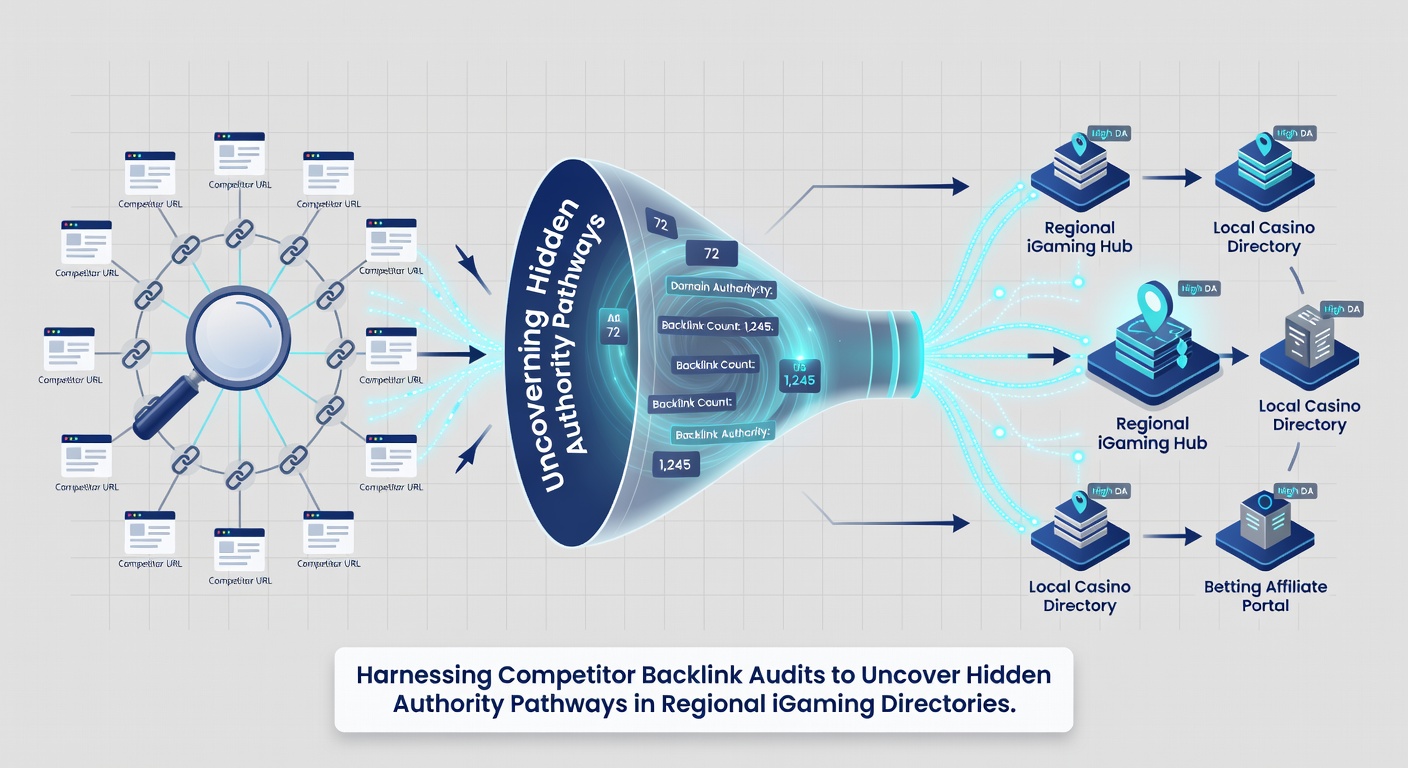
Process Steps for Extracting Actionable Pathways
Teams begin by selecting three to five direct competitors with strong regional rankings then export their complete referring domain lists before filtering for directory-style domains that focus on specific states, provinces, or countries and subsequent steps involve checking each directory's submission guidelines against current regulatory updates released as recently as May 2026.
Researchers apply domain rating thresholds and topical relevance filters to isolate high-potential targets while excluding generic web directories that add minimal value and this filtering produces a prioritized list of pathways where competitors have already demonstrated measurable ranking lifts.
Integration With Existing Content Strategies
Once hidden pathways surface through audit data, affiliate teams align new directory placements with existing content calendars so fresh listings reinforce keyword clusters already performing in regional search results and historical performance data indicates this alignment accelerates indexation timelines compared to standalone submissions.
Cross-verification against public records from the Alcohol and Gaming Commission of Ontario confirms that directories meeting provincial standards maintain stable link equity over multi-year periods which supports sustained authority gains when placements are secured through verified business profiles.
Monitoring Outcomes and Adjusting Tactics
Regular re-audits every quarter track whether newly acquired links from regional directories appear in competitor profiles and whether authority metrics shift accordingly while data sets compiled through mid-2026 demonstrate that consistent monitoring identifies directories that open or close submission windows based on regulatory cycles.
Adjustments follow when certain directories update their editorial standards and teams that maintain updated audit spreadsheets respond faster than those relying on static competitor snapshots.
Conclusion
Competitor backlink audits deliver a repeatable framework for locating authority pathways within regional iGaming directories by combining link extraction, regulatory cross-checks, and performance tracking so affiliate operations gain structured access to placements that competitors have already validated through their own results.