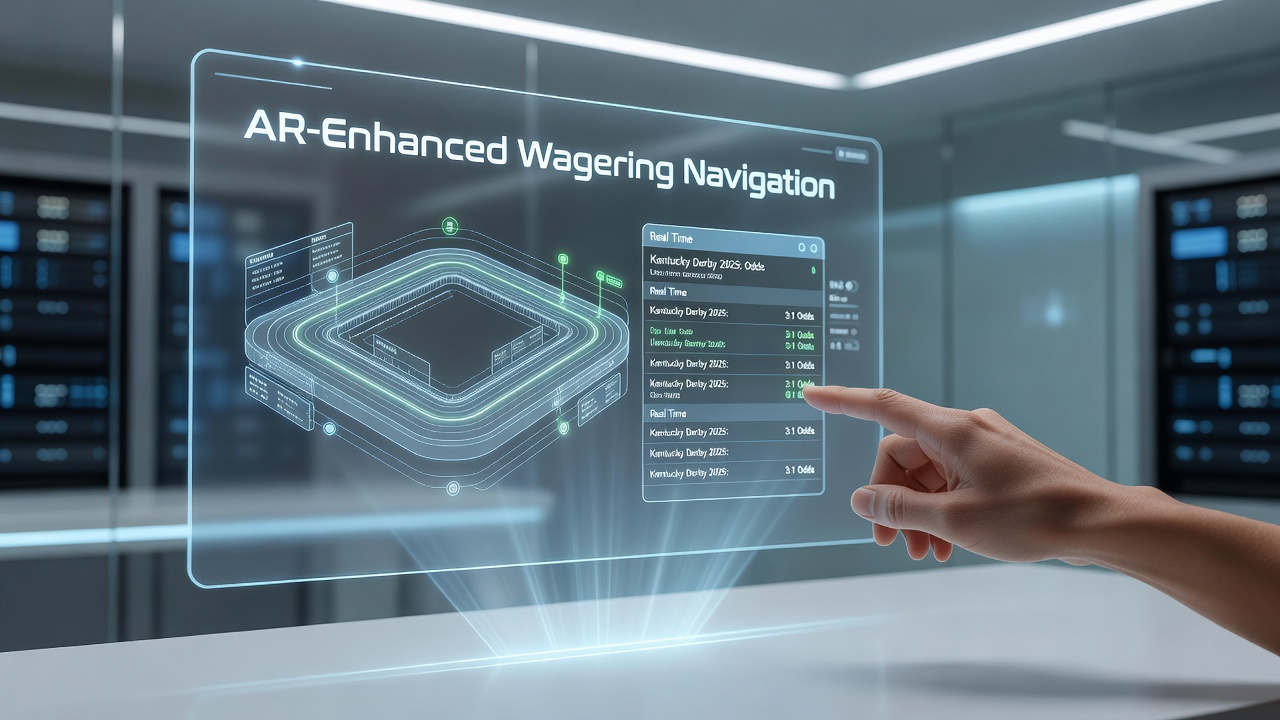
Integrating Augmented Reality Overlays into Virtual Wagering Portal Navigation Flows
Augmented reality overlays have started appearing in virtual wagering portals as developers seek ways to layer digital information onto existing navigation structures. These overlays place interactive elements such as directional prompts, account summaries, and game selection indicators directly within the user's view without requiring separate menu screens. As of August 2026 several platforms have tested these additions in controlled environments to measure impacts on user movement through betting sections and account management areas.
Core Components of AR Overlay Systems
Developers typically combine device cameras with 3D mapping software to anchor virtual markers onto physical or screen-based surfaces. Navigation buttons appear as floating icons that users can select through gestures or controller inputs while the underlying portal layout remains visible. Research from academic institutions indicates that such systems rely on precise spatial tracking to maintain alignment when users scroll or switch between betting markets.
Data from industry reports shows that overlay frameworks often incorporate APIs from established augmented reality toolkits which handle lighting adjustments and depth sensing. These tools allow wager amounts and odds to display beside relevant navigation paths rather than in isolated panels. Observers note that integration requires synchronization between the portal's backend database and the real-time rendering engine so that live odds updates reflect immediately in the augmented view.
Navigation Flow Modifications
Traditional wagering portals guide users through linear sequences of menus before reaching a betting interface. Augmented overlays alter this sequence by surfacing contextual choices at the moment a user focuses on a particular section. For instance an overlay might highlight deposit options while a user views their current balance projection without forcing a full page transition.
Studies conducted by research groups in Canada have examined how these layered elements affect the time required to complete common tasks such as placing a multi-leg bet. The findings reveal that users can access related functions through gesture-based selection while remaining oriented within the primary portal layout. Portal operators have adjusted their information architecture to accommodate these parallel access routes while preserving compliance with regional display requirements.
Technical Implementation Steps
Teams begin by mapping the existing navigation hierarchy into coordinate systems that the augmented reality engine can interpret. They then assign virtual anchor points to each menu item and test rendering performance across multiple device types. Integration continues with the addition of data streams that feed live content into the overlays including balance figures and market availability.
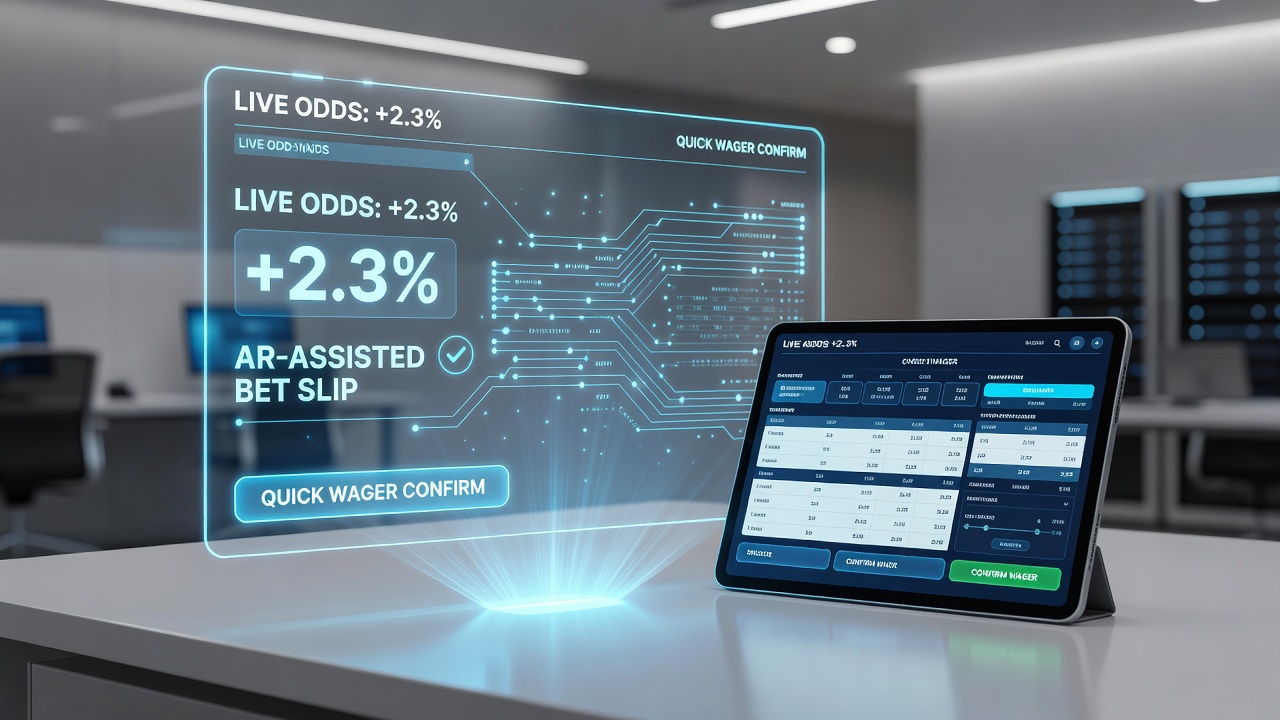
Security protocols require encryption of all data transmitted between the overlay renderer and the portal servers to prevent interception during gesture recognition sessions. Testing phases include verification that overlays deactivate automatically when users navigate to areas where augmented displays are restricted by local regulations. According to documentation from the Nevada Gaming Control Board operators must maintain clear separation between promotional overlays and actual wagering controls at all times.
Regulatory and Accessibility Considerations
Regulatory bodies in different jurisdictions have issued guidance on the use of visual overlays in gambling interfaces. The Australian Communications and Media Authority has outlined requirements for maintaining readable text contrast and ensuring that critical navigation remains functional even if the augmented layer encounters rendering issues. Similar directives from the Malta Gaming Authority emphasize the need for users to toggle overlays off without losing access to core portal functions.
Accessibility standards require that alternative input methods remain available for individuals who cannot utilize gesture controls. Developers therefore preserve traditional menu structures alongside the augmented options so that both pathways lead to the same outcomes. Data collected during August 2026 trials showed that portals offering dual navigation routes maintained consistent task completion rates across user groups with varying device capabilities.
Future Development Patterns
Industry associations tracking technology adoption have recorded increasing partnerships between portal providers and augmented reality software vendors. These collaborations focus on refining gesture libraries and expanding the range of data types that can appear as overlays. Observers report that continued refinement centers on reducing latency between user actions and visual updates to keep navigation responsive during high-traffic periods.
One case involved a European operator that integrated overlay navigation into its mobile application and subsequently documented changes in how users moved between sports betting and casino sections. The operator shared aggregated metrics with academic partners to help refine models predicting overlay effectiveness across different market types.
Conclusion
Integration of augmented reality overlays into virtual wagering portal navigation continues to evolve through iterative testing and regulatory alignment. Platforms that have deployed these systems report measurable shifts in how users locate and interact with betting options while still operating within established compliance frameworks. Ongoing work by technical teams and oversight bodies will shape the specific configurations that become standard in coming periods.