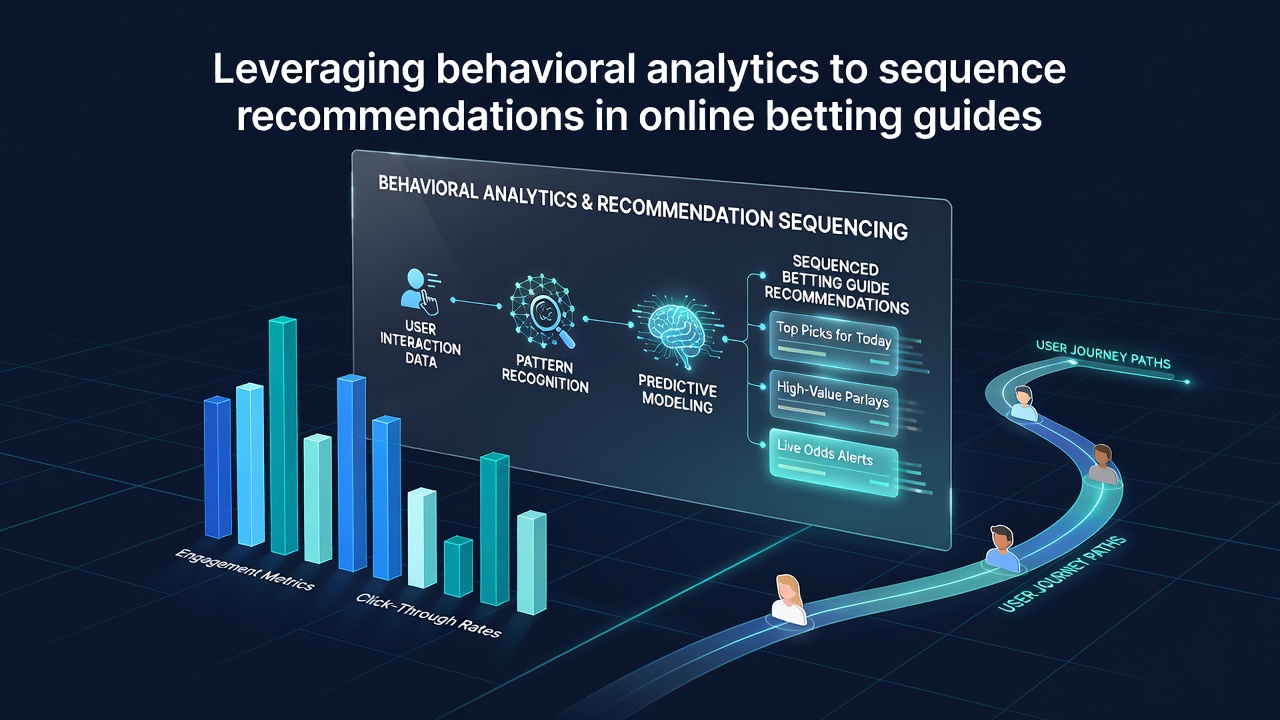
Leveraging Behavioral Analytics to Sequence Recommendations in Online Betting Guides
Behavioral analytics has become a core component in how online betting guides organize and present recommendations to users, and operators in the igaming sector apply these methods to align content sequences with observed user interactions. Data from user sessions, click patterns, and navigation flows allow platforms to reorder suggestions dynamically rather than relying on static lists, while researchers have documented shifts in how these sequences influence decision-making across different regions.
Core Mechanisms Behind Behavioral Sequencing
Platforms collect granular data on dwell time, scroll depth, and interaction frequency to build profiles that inform the order of betting options presented in guides, and this approach draws from established patterns in digital analytics where sequential modeling predicts next actions based on prior behavior. According to studies published by the University of Nevada's gaming research center, sequences adjusted through these models show measurable changes in user progression through recommendation flows, particularly when data refreshes occur in real time during peak hours.
But here's the thing: the sequencing process often integrates signals from multiple touchpoints including device type, time of access, and previous session history, which combine to create personalized pathways that adjust as new information arrives. Those who've examined these systems note that clustering users into behavioral segments allows guides to prioritize certain recommendations earlier in the content while deferring others based on engagement likelihood, and this method avoids one-size-fits-all structures that dominated earlier affiliate content formats.
Data Sources Fueling the Process
Tracking tools pull from first-party cookies, session recordings, and aggregated heatmaps to identify which sections of betting guides receive the most attention before users move toward specific recommendations, and industry reports from the Canadian Gaming Association indicate that such datasets grew substantially between 2024 and 2025 as regulatory frameworks encouraged greater transparency in data handling. Platforms cross-reference these inputs with external market feeds on betting volumes and regional preferences to refine sequences further, ensuring the order reflects both individual patterns and broader trends.
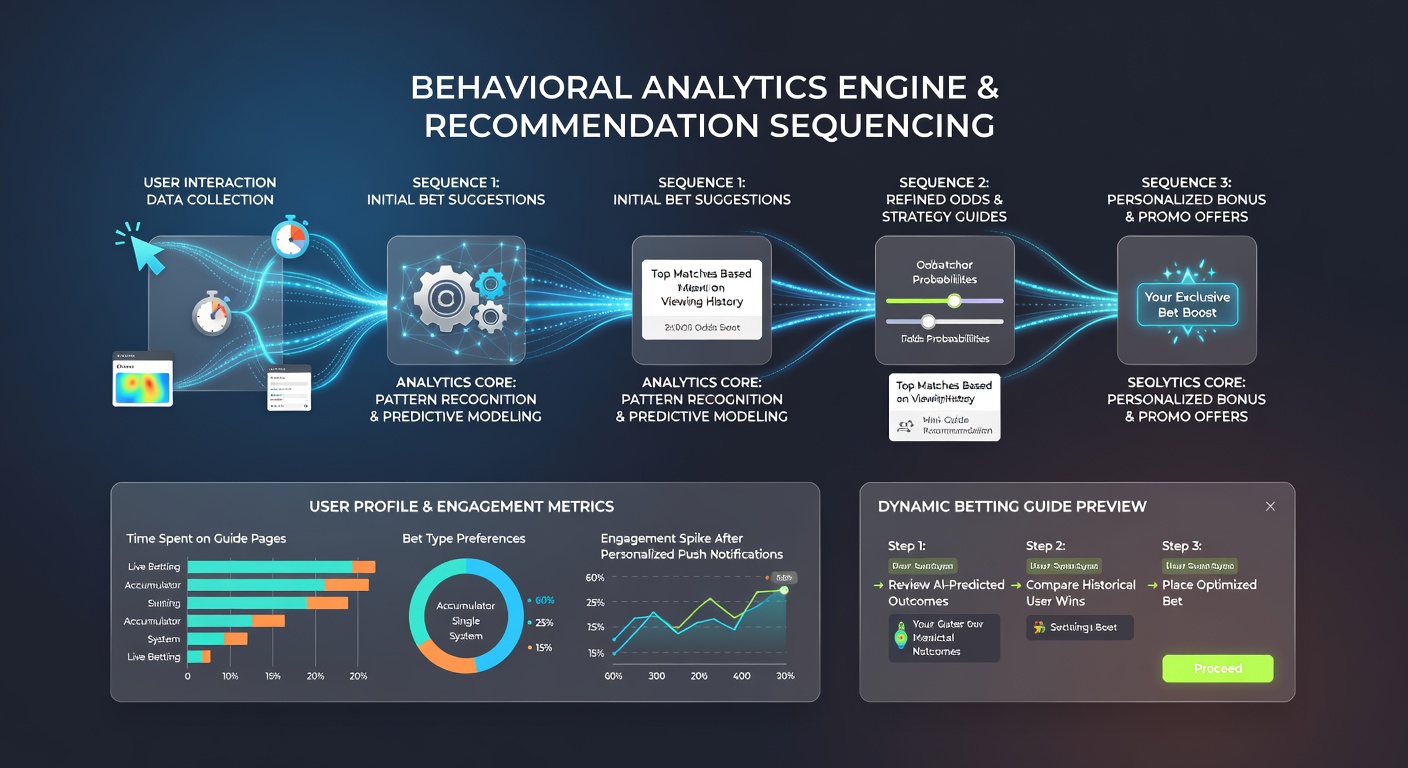
What's interesting is how these sources extend beyond simple page views to include event-based triggers such as hover actions on odds displays or time spent comparing payout structures, and analysts have mapped these micro-interactions to forecast when users are most receptive to certain types of guidance. The resulting sequences prioritize high-relevance options at moments when data shows elevated intent, while lower-priority suggestions appear later to maintain flow without overwhelming readers.
Implementation in Content Structures
Editors working on betting guides apply algorithmic rules that reorder sections based on segment performance, placing introductory material on popular markets ahead of niche options when analytics reveal stronger entry points for certain demographics, and this technique has been documented in case examples where guides updated sequences weekly to match evolving patterns. Research from the Australian Institute of Criminology highlights how temporal adjustments, such as elevating live event recommendations during active periods, produce distinct navigation paths compared to pre-match focused sequences.
Operators integrate these changes through content management systems that accept behavioral scoring inputs, allowing automatic shifts in recommendation order without manual intervention each time new data arrives, and figures from the Nevada Gaming Control Board show corresponding increases in session duration on platforms that adopted similar dynamic ordering in 2025. Teams monitor for compliance signals as well, ensuring sequences do not promote restricted categories in jurisdictions where rules limit visibility of certain betting types.
Observed Outcomes Across Markets
Guides that sequence recommendations through behavioral analytics demonstrate shifts in how users complete evaluation steps, with data indicating earlier exposure to high-engagement options correlates with deeper exploration of subsequent sections, and one analysis of North American platforms revealed that reordered lists aligned with user clusters produced higher completion rates for comparison activities. European operators have applied parallel methods, drawing on aggregated datasets that respect GDPR constraints while still enabling sequence optimization through anonymized behavioral signals.
Yet the approach requires ongoing calibration because user patterns evolve, and platforms that refresh their models monthly report sustained alignment between sequences and actual navigation behaviors, whereas static versions show gradual divergence. Observers note that integration with real-time market data further sharpens these sequences, particularly when external events influence betting volumes in specific categories.
Conclusion
Behavioral analytics provides the framework for sequencing recommendations in online betting guides by translating observed interactions into ordered content structures that adapt to user segments and timing factors. Data from multiple regulatory and research bodies confirms that this method influences how readers progress through guides, and continued refinement through diverse data streams supports its application across varied igaming environments as of June 2026.