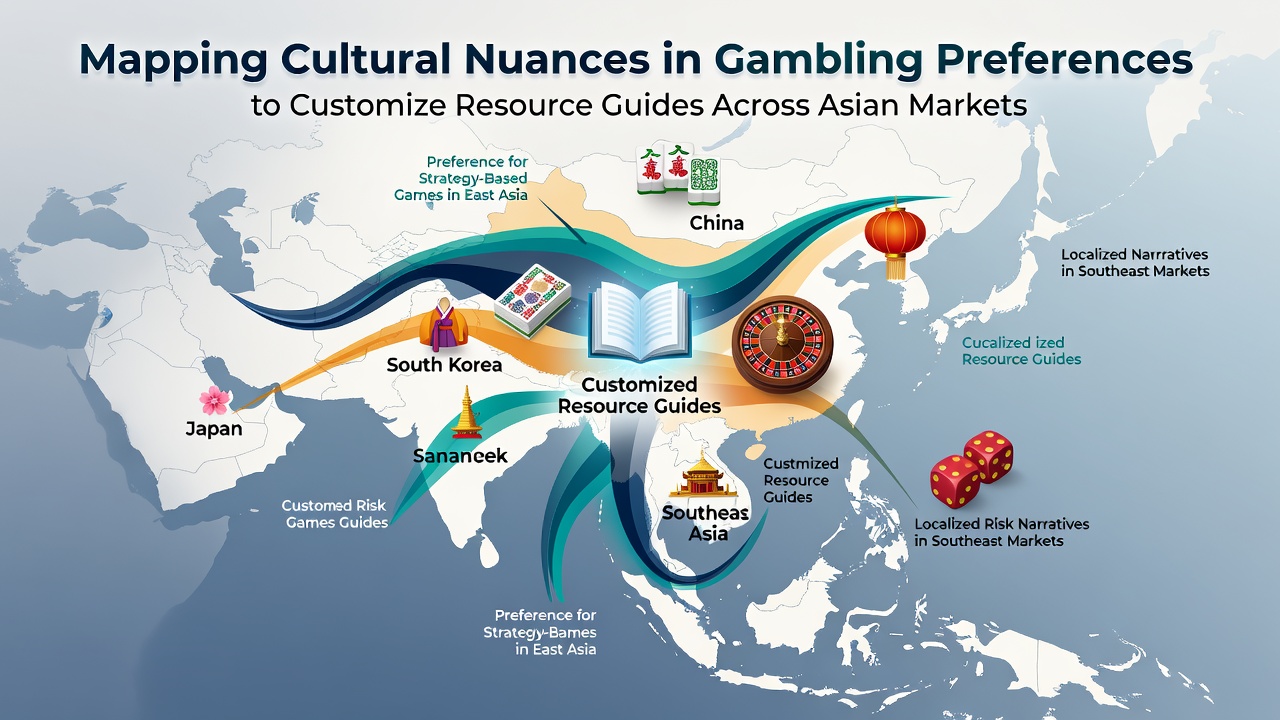
Mapping Cultural Nuances in Gambling Preferences to Customize Resource Guides Across Asian Markets
Asian markets present distinct patterns in gambling preferences that reflect longstanding cultural traditions, regulatory frameworks, and technological adoption rates, and resource guide developers track these patterns to adjust content for local audiences. Observers note that preferences vary sharply between East Asian and Southeast Asian regions, with game types, social contexts, and payment methods showing measurable differences in usage data collected through 2025 and into August 2026.
Regional Preferences and Regulatory Contexts
Japan maintains a strong attachment to pachinko parlors, where mechanical gaming machines blend elements of skill and chance within tightly controlled legal structures that separate prize exchange from direct monetary play, while South Korea restricts most casino access to foreign visitors and channels domestic participation through limited lottery and sports betting outlets regulated by government agencies. In contrast, Macau continues to operate as a major casino destination with table games such as baccarat drawing the bulk of revenue, supported by visitor arrival statistics that authorities publish regularly.
Singapore enforces strict entry requirements for its integrated resorts, including a casino entry levy for residents, and data from the Gambling Regulatory Authority of Singapore shows that electronic gaming machines and table games each capture defined market segments. The Philippines has expanded its licensed online gaming sector under the Philippine Amusement and Gaming Corporation, with figures indicating rising participation in sports betting and e-sports related wagering among younger demographics.
Cultural Factors Shaping Game Selection
Numerical symbolism influences player choices across multiple markets, where the number eight carries positive associations in Chinese-speaking regions and leads to higher selection rates for games or betting options featuring that digit, whereas four is often avoided due to phonetic resemblance to words for death. Mahjong remains a central social activity in mainland China and diaspora communities, frequently played in private settings rather than commercial venues, and resource guides incorporate sections on related tile games or digital versions to match these habits.
Family and group dynamics appear more prominently in Southeast Asian markets, where collective decision-making around lottery syndicates or festival-linked promotions shows up in participation records, while individual mobile play dominates in high-density urban centers with fast internet access. Superstitions around timing, colors, and rituals also affect content presentation, prompting guide creators to include localized imagery and timing recommendations based on calendar events such as Lunar New Year periods.
Adapting Resource Guides to Local Behaviors
Developers customize language options, currency displays, and featured payment processors to align with dominant platforms in each territory, incorporating WeChat Pay and Alipay integrations for Chinese users alongside local bank transfers common in Thailand and Vietnam. Mobile-first layouts receive priority in markets where smartphone penetration exceeds desktop usage, and guides highlight games that load quickly on lower-bandwidth connections.
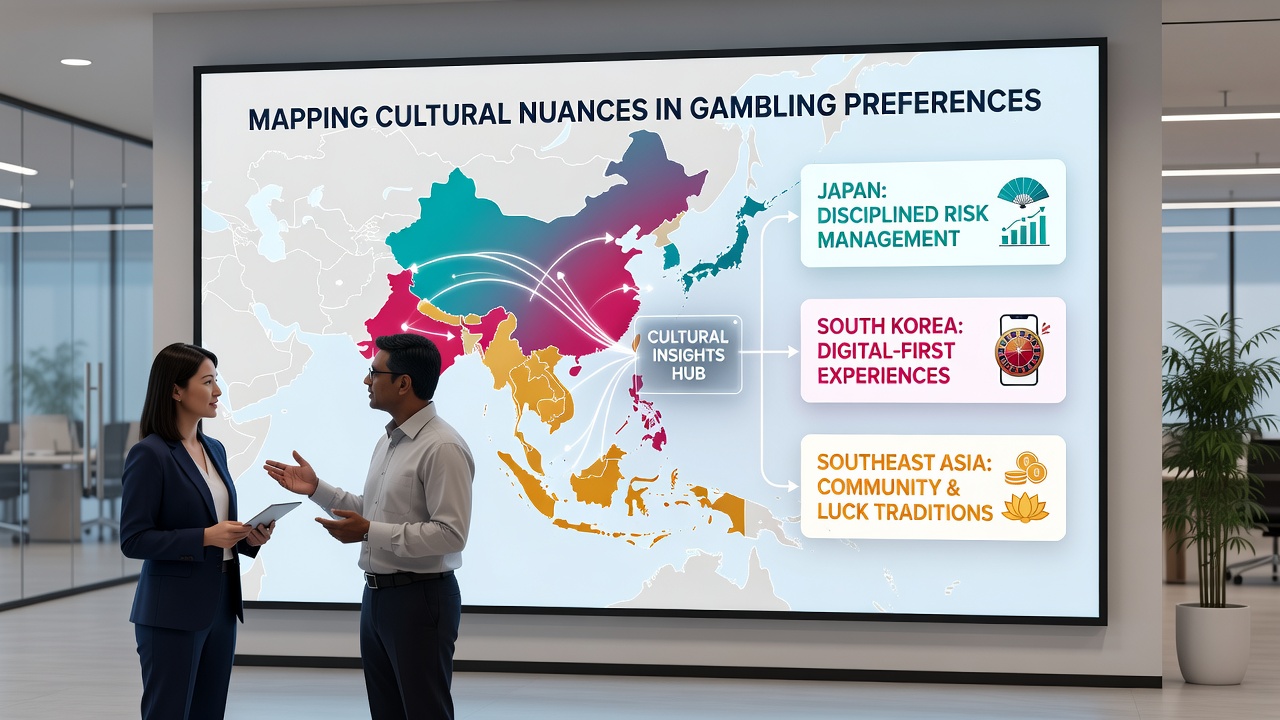
Content sequencing often follows observed journey patterns, with introductory material covering legal status and responsible play reminders before presenting game recommendations that match documented popularity rankings from industry reports. As of August 2026, regulatory updates from bodies such as the Philippine Amusement and Gaming Corporation continue to inform which operators receive mention in updated compilations.
Payment Methods and Platform Preferences
Transaction preferences differ by region, with digital wallets leading in urban centers across East Asia and cash-based or bank transfer options remaining relevant in parts of Southeast Asia where formal banking penetration varies. Guides list supported methods alongside withdrawal timelines drawn from operator disclosures, and they note any seasonal promotions tied to local holidays to improve relevance.
Language localization extends beyond translation to include idiomatic expressions and cultural references that resonate with target readers, while avoiding content that conflicts with prevailing social norms around gambling visibility. Researchers at institutions such as the Australian Institute of Criminology have published comparative studies on Asian gambling behaviors that supply additional context for these adaptations.
Conclusion
Mapping these cultural and behavioral patterns allows resource guide producers to deliver materials that reflect actual usage data and regulatory realities across Asian markets, supporting informed navigation of available options while respecting local distinctions in game types, social settings, and transaction methods. Continued monitoring of official statistics and market reports enables ongoing refinements as conditions evolve.