Player Segmentation Models Driving Targeted Casino Promotions Within Affiliate Comparison Frameworks
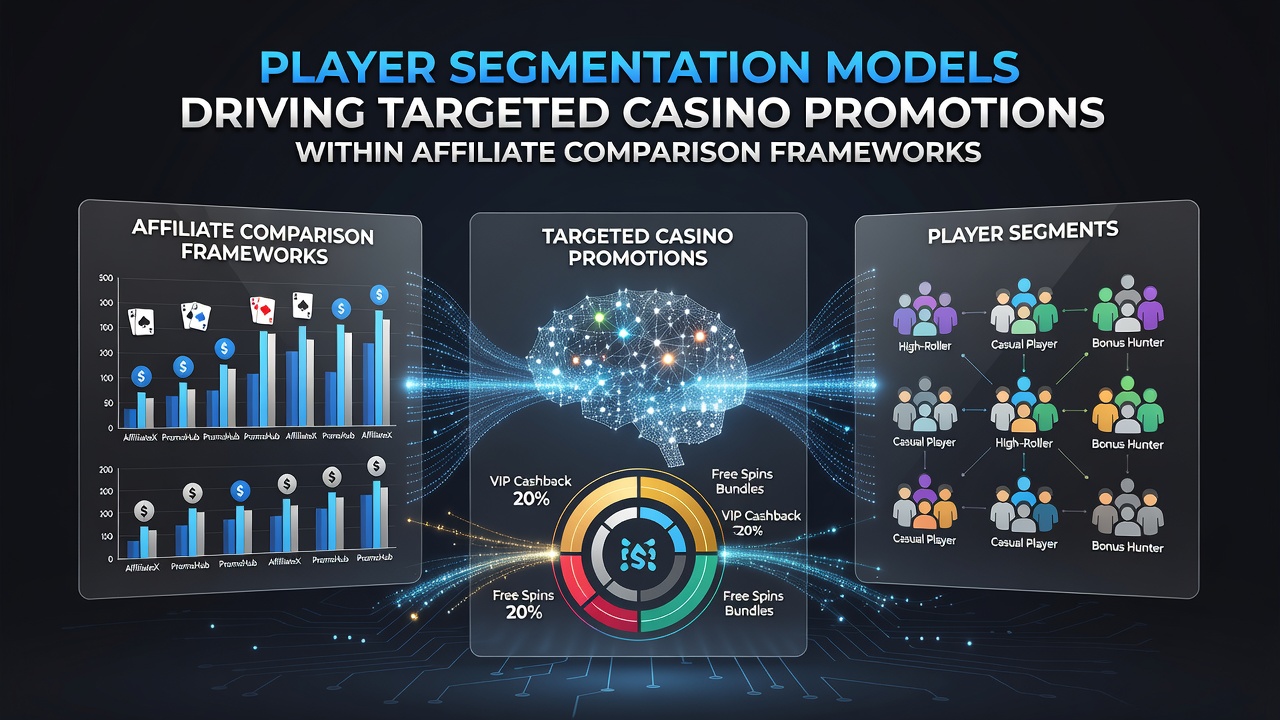
Player segmentation models have become central to how affiliate comparison platforms organize casino promotions, allowing sites to match offers with specific user groups rather than broadcasting generic incentives across all visitors. These models draw on behavioral data, transaction histories, and engagement metrics to divide audiences into clusters that receive customized recommendations within top lists and review sections. Data from industry tracking services shows that segmented approaches increase click-through rates on promotional links by aligning bonuses, game suggestions, and loyalty rewards with observed player patterns.
Core Segmentation Approaches in Casino Affiliates
Recency, frequency, and monetary value frameworks form one foundation for these divisions, where analysts group users according to how recently they deposited, how often they play, and total spend levels. Affiliates integrate this information into comparison tables so that high-value segments see exclusive reload bonuses while newer users encounter welcome packages tailored to initial deposit sizes. Behavioral clustering adds another layer by tracking session duration, game type preferences, and response rates to past offers, which comparison sites then use to reorder featured casinos dynamically within their listings.
Demographic and geographic filters further refine these outputs, incorporating age ranges, device types, and regional regulatory constraints that affect available promotions. Platforms apply these layers to ensure that lists displayed to users in different jurisdictions highlight only licensed operators and compliant bonus structures. Research from the American Gaming Association indicates that affiliates employing multi-variable segmentation report more consistent alignment between promoted offers and actual player eligibility requirements across markets.
Implementation Within Comparison Frameworks
Affiliate sites embed segmentation logic directly into their ranking algorithms, adjusting which casinos appear first based on the inferred profile of each visitor. This process relies on first-party cookies, account linkage where permitted, and anonymized aggregate data feeds that update in real time. When a returning user lands on a comparison page, the system references prior interaction signals to surface promotions that match established patterns, such as free spin offers for slot-focused players or cashback structures for table game enthusiasts.
Dynamic content blocks within articles and listicles allow these adjustments without disrupting overall page structure. One study of affiliate performance metrics revealed that sites using automated segmentation refreshed promotional placements up to four times daily during peak traffic periods in early 2026, resulting in measurable lifts in conversion events tracked through affiliate networks. External data integrations from payment processors and game providers supply the raw inputs that keep these models accurate.

Data Sources and Model Refinement
Operators and affiliates combine internal CRM records with third-party analytics platforms to train segmentation engines, applying machine learning techniques that identify emerging clusters as player habits shift. As of July 2026, several major networks reported expanding their use of real-time event streaming to capture live betting activity and immediately adjust visible promotions on comparison pages. This approach reduces lag between observed behavior and delivered offers.
Regulatory bodies in multiple regions require documentation of how segmentation influences promotional targeting, particularly when responsible gaming limits or self-exclusion lists intersect with offer delivery. The Nevada Gaming Control Board publishes guidance on data handling practices that affiliates reference when designing these systems for US-facing traffic. Similar frameworks appear in reports from the Australian Communications and Media Authority, which track compliance across iGaming marketing channels.
Case Applications and Performance Tracking
Take one affiliate network that tested segmentation across European and North American audiences in late 2025. The group observed that separating players by preferred deposit method and average bet size allowed more precise placement of cashback promotions within their casino lists, with subsequent reporting showing improved retention signals from the targeted segments. Another operator applied psychographic overlays derived from survey responses to differentiate risk-tolerant users from those preferring steady-play incentives, then adjusted featured games accordingly in their comparison content.
Performance dashboards at these organizations track metrics such as time-to-first-deposit and bonus redemption rates broken down by segment. Figures from these internal systems demonstrate that refined models reduce promotional mismatch, where users receive offers outside their typical activity range. Industry reports compiled by research groups like H2 Gambling Capital note rising adoption of these techniques among mid-tier affiliate operations seeking to compete with larger portals.
Conclusion
Player segmentation models continue to shape how affiliate comparison frameworks present casino promotions by linking observable data patterns to specific offer types and placement priorities. Affiliates maintain these systems through ongoing data integration, regulatory alignment, and iterative testing that keeps recommendations relevant across visitor groups. The approach supports more precise delivery of incentives while operating within established compliance boundaries documented by oversight agencies in key markets.